
Organisational clarity, before a crisis.

What Merian does
01
I read organisations to find the distance between the picture reaching the top and what's true underneath it.

03
And I teach leaders to build their own, so the next time the true thing needs saying, it doesn't need me in the room.
I build the rooms where that distance gets said: for new chief executives, before big decisions, on strategy days, with boards, and with teams carrying something nobody mentions.
02

WHY MERIAN
Maria Sibylla Merian broke with her era by studying insects alive, in their habitat, through metamorphosis, rather than as dead specimens pinned to a board. At fifty-two she funded her own voyage to Suriname to watch them in the place they actually lived, and what she brought back overturned settled beliefs that had simply never been checked against reality.
Most advisory studies the pinned version of an organisation. I work with the living one.
CHIEF CANDOUR ENGINEER
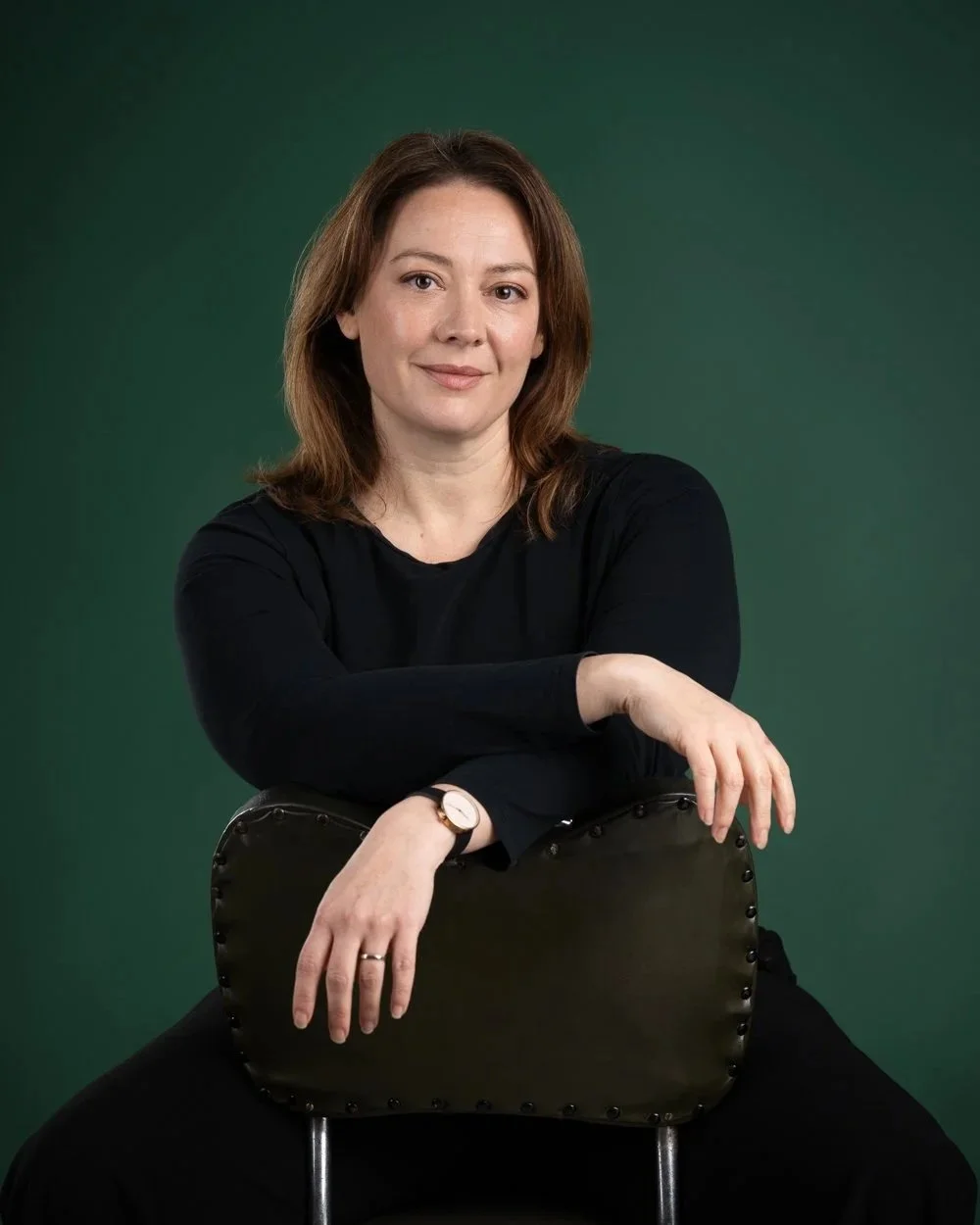
Kylie Butler
I work with boards, chief executives and leadership teams where there is something important to understand, decide or say. I believe that good decisions depend on knowing what is really going on and knowing what is really going on requires more than good reporting. It requires candour.
Whatever the room, I find the thing everyone is carefully moving around, and build the conditions under which it can be said out loud by the people who've been carrying it, before a crisis says it for them.
I've spent more than twenty years in organisational change and leadership, most of it managing the consequences of decisions made at the top: in defence at BAE Systems and ASC, in regulated pharmaceutical manufacturing, in utilities, finance, government, aged care and disability. I've worked with organisations including RAA, SA Water, BHP, BAE Systems, ASC, HomeStart, ACH Group and Helping Hand, and designed and delivered leadership programs to more than 1000 people.
At Reframe Change I developed REM16, a diagnostic that maps the sixteen mental models people bring to change, and the workshop format that goes with it: a room where every perspective in the team is physically placed, stood in and walked around, so that what one person sees becomes something the whole room can look at together. It taught me that a perspective people can stand next to gets discussed, and a perspective locked inside a person gets defended. Candour engineering starts there.
-
Again and again the information that could have improved a decision existed inside the organisation before the decision was made.
People knew. They knew where implementation would fail. They knew which assumptions were unrealistic. They knew where apparent agreement wasn't agreement at all. And that knowledge hadn't reached the room where it could have changed the outcome.
Sometimes it had been softened as it travelled upward. Sometimes nobody had asked the question that would surface it. Sometimes people had learned that saying it wasn't worth the risk. And sometimes a room full of intelligent, well-intentioned people had simply got too close to the system to see it.
I got good at closing that distance. For a long time I thought that was the job: being the person who could get the true thing into the room. Then I noticed that every time I left, the distance opened up again.
-
Merian exists because of something simple: good decisions depend on knowing what is really going on, and knowing what is really going on takes more than good reporting. It takes a room built so that the people who know will say.
That's engineering, not charisma. Where people sit. Who speaks first and what they say. Which questions get asked and which get quietly banned. What happens to the first person who says the unwelcome thing. Whether leadership answers the room in public afterwards or lets it drift. Every one of those is a decision, and most organisations have made all of them by default.
I make them on purpose.
Get in Touch
If you're making a consequential decision, entering a new organisation, governing from a distance, or noticing that people aren’t speaking plainly, start there.
You don't need to know exactly what is wrong.
That's the point of looking.

Eyes open, knowledge shared, tension held.
Decisions are only as good as the conditions they're made in